

-
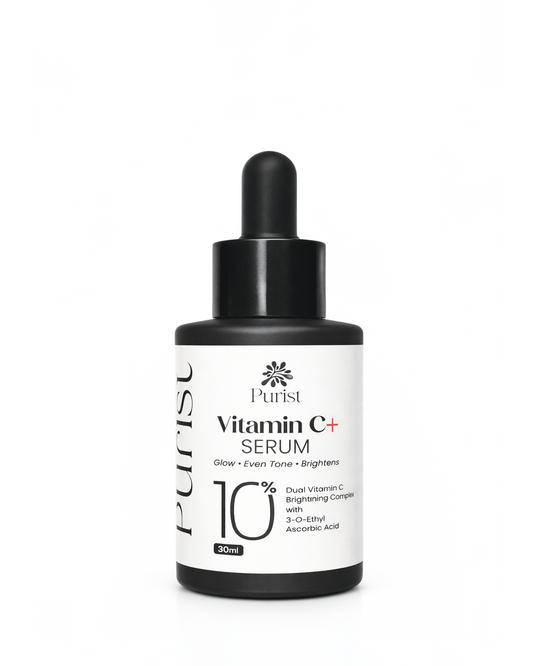
10% Vitamin C+ Brightening SerumDiscover your daily dose of glow. Purist Vitamin C+ Brightening Complex is a lightweight, hydrating serum powered by 3-O-Ethyl Ascorbic Acid (Vitamin C) a next-generation, stable form of Vitamin C that visibly fades dark spots, boosts radiance, and supports firm, youthful skin. This advanced...
- Rs.1,580.00
Rs.2,010.00- Rs.1,580.00
- Unit price
- per
-
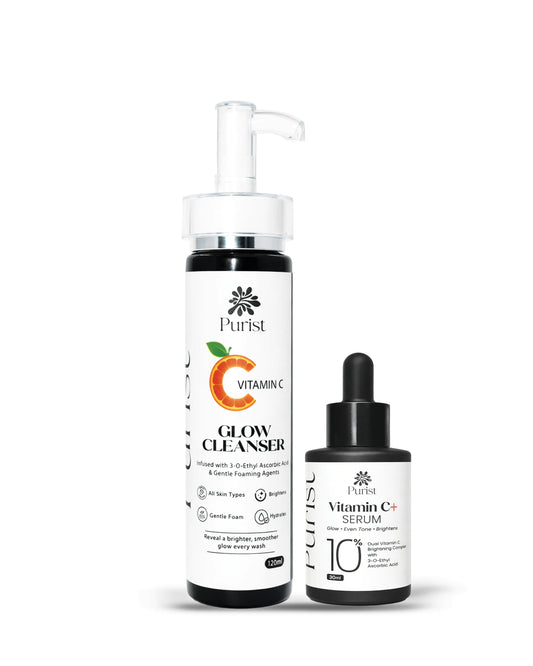
Vitamin C Starter DuoA simple, effective two-step routine designed to cleanse, brighten, and support healthy-looking skin. The Vitamin C Starter Duo combines a gentle antioxidant cleanser with a targeted brightening serum to help improve skin clarity, support hydration, and promote a more even-looking complexion. Formulated with Sodium...
- Rs.2,520.00
Rs.3,150.00- Rs.2,520.00
- Unit price
- per
-
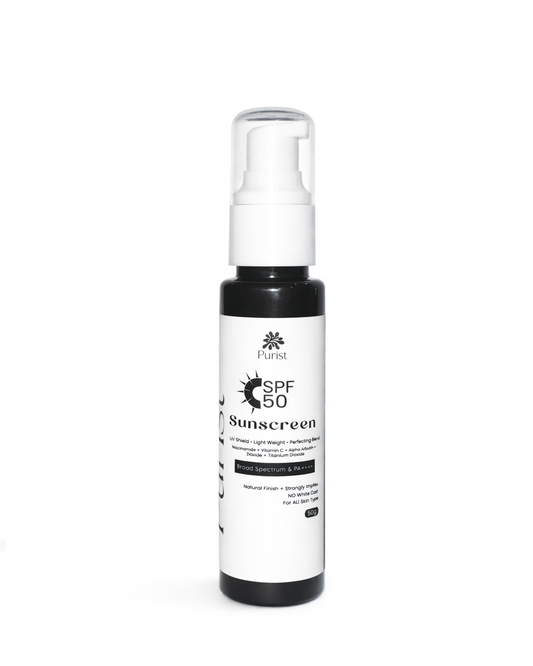
Purist SPF 50 SunscreenA lightweight daily sunscreen designed to protect skin from UVA and UVB exposure while maintaining comfort and hydration. The fast-absorbing formula blends seamlessly into the skin without leaving a white cast, making it suitable for everyday wear. Formulated with a balanced combination of mineral...
- Rs.1,380.00
Rs.1,500.00- Rs.1,380.00
- Unit price
- per
-
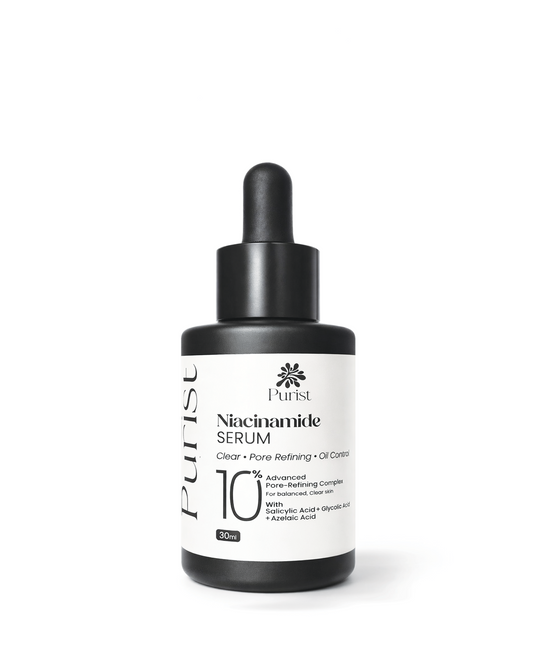
Purist Niacinamide 10% + Zinc Clarifying SerumFind your skin’s natural balance with the Purist Niacinamide + Zinc Clarifying Serum, a gentle yet powerful formula crafted to refine pores, control excess oil, and improve overall skin clarity. Infused with Niacinamide (Vitamin B3) and Zinc PCA, this serum helps regulate sebum production,...
- Rs.1,590.00
Rs.2,000.00- Rs.1,590.00
- Unit price
- per
-
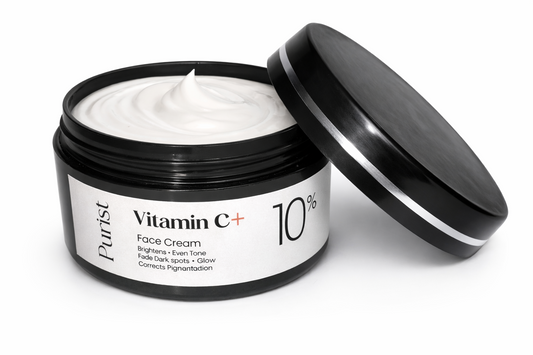
Purist Vitamin C+ 10% Brightening CreamPurist Vitamin C+ 10% Brightening Cream is a multi-action daily moisturizer designed to improve skin tone clarity while maintaining hydration and comfort. Powered by Sodium Ascorbyl Phosphate, a stable form of Vitamin C, this cream supports a brighter and more even-looking complexion with consistent...
- Rs.1,280.00
Rs.1,650.00- Rs.1,280.00
- Unit price
- per
-
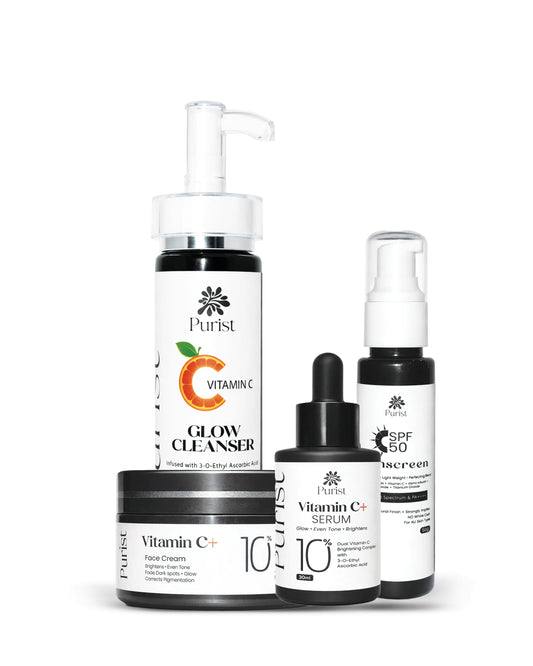
Vitamin C Complete RoutineThe Vitamin C Complete Routine is a comprehensive four-step skincare system designed to cleanse, brighten, hydrate, and protect the skin. This routine combines targeted Vitamin C care with daily sun protection to help improve skin clarity while supporting a healthy-looking complexion. Formulated with 3-O-Ethyl...
- Rs.4,499.00
Rs.6,000.00- Rs.4,499.00
- Unit price
- per
-
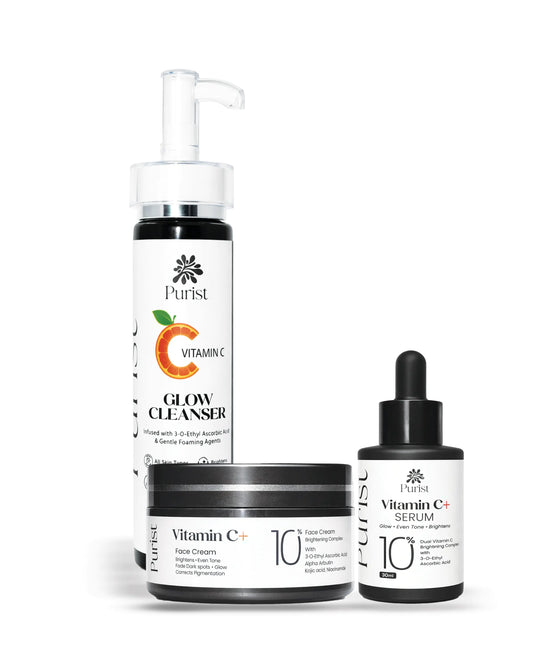
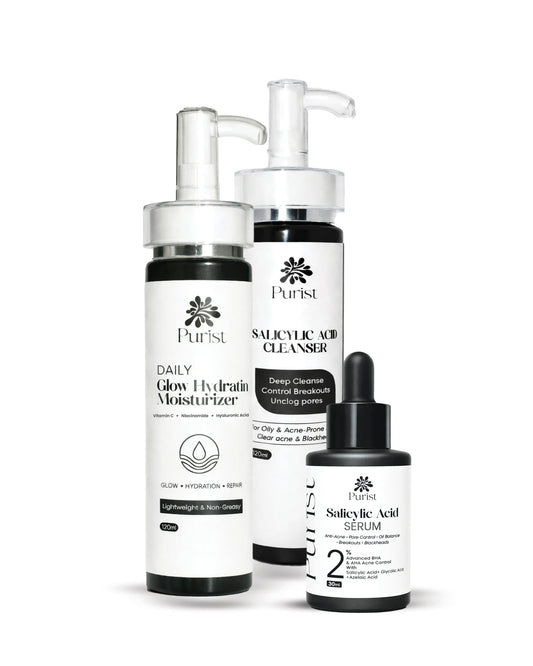
Vitamin C Glow KitThe Vitamin C Glow Kit is a complete three-step routine designed to cleanse, brighten, and support a more even-looking complexion. Combining a gentle antioxidant cleanser, a targeted brightening serum, and a nourishing Vitamin C face cream, this routine helps improve skin clarity while supporting hydration...
- Rs.3,699.00
Rs.4,700.00- Rs.3,699.00
- Unit price
- per
-
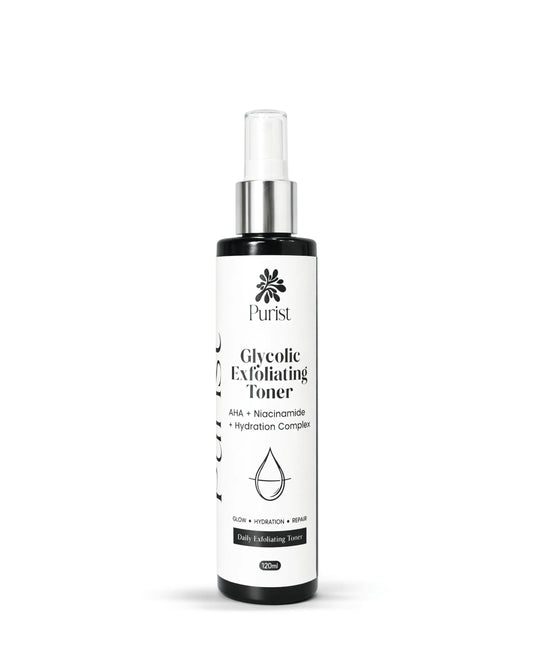
Purist Glycolic Acid 7% TonerPurist Glycolic Acid 7% Toner is a controlled exfoliating solution designed to improve skin texture and clarity without unnecessary irritation. Formulated with 7% Glycolic Acid, it helps remove built-up dead skin cells, supporting smoother and more even-looking skin over time. Balanced with Niacinamide and...
- Rs.1,399.00
Rs.1,750.00- Rs.1,399.00
- Unit price
- per
-
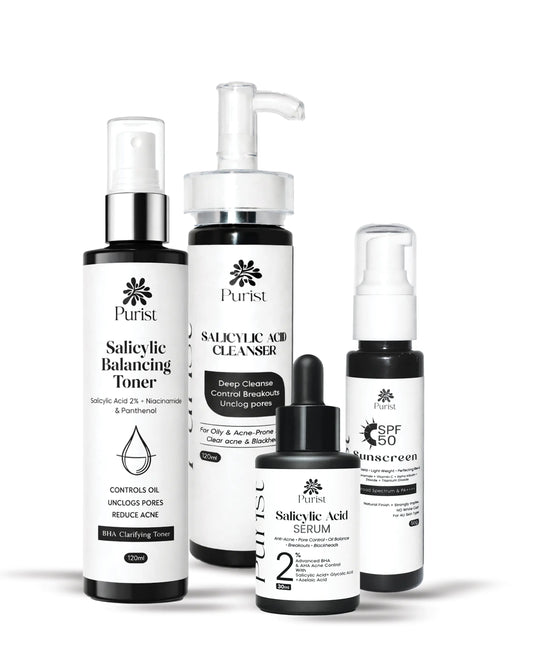
Acne Complete RoutineThe Acne Complete Routine is a comprehensive four-step system designed to cleanse pores, support clearer skin, and protect the skin from environmental stressors. This dermatology-inspired routine combines targeted exfoliating ingredients with balancing and protective care to help manage breakouts while promoting a healthier-looking complexion....
- Rs.4,999.00
Rs.6,200.00- Rs.4,999.00
- Unit price
- per
-
Acne Recovery KitThe Acne Recovery Kit is a balanced three-step routine designed to help manage breakouts while supporting the skin’s moisture barrier. This dermatology-inspired system combines targeted pore-clearing ingredients with hydrating and soothing components to help improve skin clarity without compromising skin comfort. The routine begins...
- Rs.3,499.00
Rs.4,600.00- Rs.3,499.00
- Unit price
- per
-
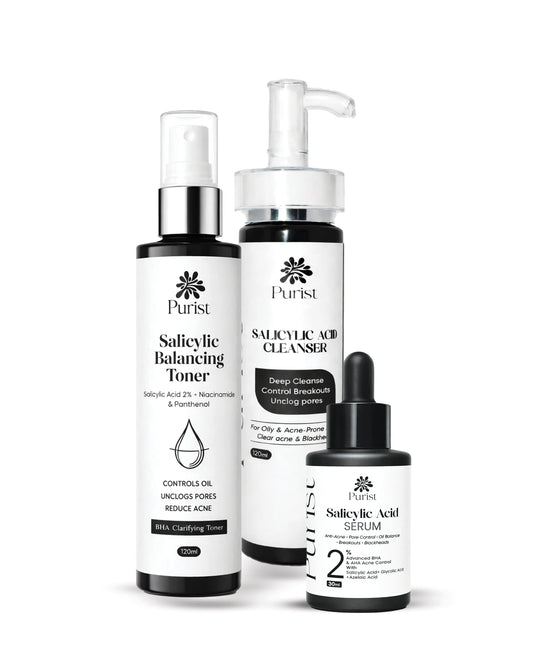
Acne Balance KitThe Acne Balance Kit is a three-step routine designed to deeply cleanse pores, support clearer skin, and help improve the appearance of breakouts and congestion. This dermatology-inspired system combines a salicylic acid cleanser, balancing toner, and targeted acne treatment serum to support smoother and...
- Rs.3,499.00
Rs.4,600.00- Rs.3,499.00
- Unit price
- per
-
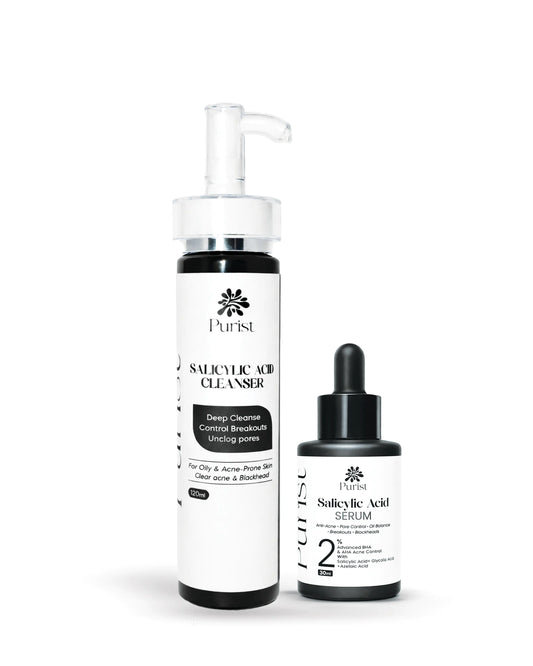
Acne Control DuoThe Acne Control Duo is a targeted two-step routine designed to cleanse pores, support clearer skin, and help reduce the appearance of acne and congestion. This system combines a deep-cleansing salicylic acid face wash with a multi-acid treatment serum to help improve skin clarity...
- Rs.2,499.00
Rs.3,200.00- Rs.2,499.00
- Unit price
- per
-
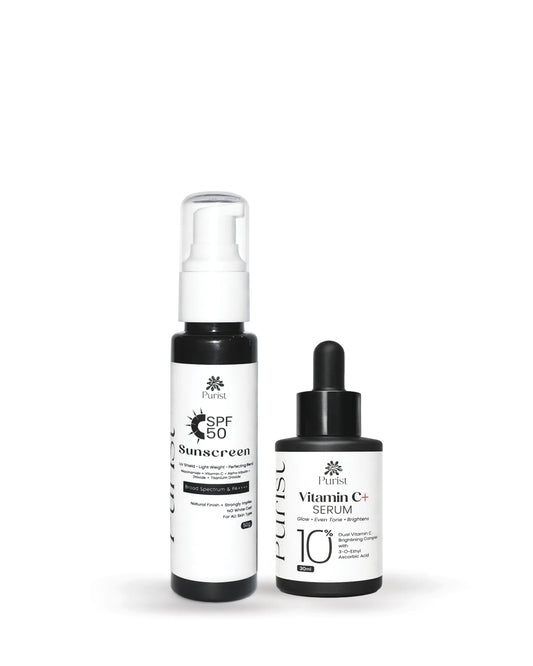
Vitamin C Protection KitThe Vitamin C Protection Kit is a simple two-step routine designed to brighten the skin while supporting daily UV protection. This combination pairs a lightweight antioxidant serum with a broad-spectrum SPF 50 sunscreen to help protect the skin from environmental stressors while promoting a...
- Rs.2,399.00
Rs.3,100.00- Rs.2,399.00
- Unit price
- per













Dark Spot & Pigmentation Solutions
This collection brings together Purist's targeted treatments for hyperpigmentation, post-acne marks, and uneven skin tone. At its core are the 10% Vitamin C+ Brightening Serum, the Niacinamide 10% + Zinc Clarifying Serum, the Glycolic Acid 7% Toner, and the SPF 50 Sunscreen. Complete routines like the Vitamin C Glow Kit and Vitamin C Protection Kit combine them into ready-made systems.
Every product here is chosen for one purpose. Help fade the appearance of existing discoloration while preventing new spots from forming. If your skin tone looks uneven, if old breakouts have left marks behind, or if sun exposure has dulled your complexion, this is where to start.
What Causes Dark Spots?
Dark spots form when skin produces extra melanin in one concentrated area. Melanin is the pigment that gives skin its color. When production goes into overdrive at a single point, a visible spot appears.
Several triggers cause this. Sun exposure is the most common, since UV light directly stimulates melanin production. Inflammation is the second, which is why breakouts, rashes, and irritation often leave marks after they heal. Hormonal changes can trigger broader patches of pigmentation. And as skin ages, years of accumulated sun exposure show up as scattered spots.
One practical point matters more than the rest. Whatever caused your pigmentation, ongoing sun exposure makes it darker and more stubborn. This is why every brightening routine in this collection ends with sunscreen.
Understanding Different Types of Dark Spots
Post-inflammatory hyperpigmentation (PIH) is the flat mark left behind after a breakout or irritation heals. Very common on Pakistani skin tones, and one of the most responsive types to consistent skincare.
Sun spots are small, defined spots caused by UV exposure over time. They appear most on the face, hands, and other areas that see daily sun.
Age spots are sun spots that accumulate over years. The name is misleading. Sun, not age, creates them.
Uneven skin tone is a general lack of uniformity rather than defined spots. Skin looks patchy or dull instead of clear.
Mild melasma appears as soft brown patches, often on the cheeks and forehead. It's linked to hormones and worsens with sun exposure. Skincare can help improve its appearance, though deeper melasma benefits from a dermatologist's guidance.
How Purist Helps Brighten Uneven Skin Tone
Aggressive treatment backfires with pigmentation. Irritation triggers inflammation, and inflammation triggers more melanin. A harsh product can create the exact problem it claims to fix.
Purist's approach is built on four things. Gentle, targeted actives at effective concentrations. Daily hydration and barrier support, so skin stays calm enough to renew itself. Consistency, because pigmentation fades through repeated skin renewal cycles, not overnight. And SPF 50 every single morning, because brightening without sun protection is like filling a bucket with a hole in it.
Ingredients That Help Fade Dark Spots
Vitamin C (3-O-Ethyl Ascorbic Acid)
The centerpiece of this collection. Our serums use 3-O-Ethyl Ascorbic Acid, a stable, next-generation form of Vitamin C that doesn't degrade quickly in heat or light. It helps visibly fade dark spots, supports collagen, and defends skin against the environmental stress that drives dullness. Suits all skin types. Explore the full Vitamin C collection for every format.
Niacinamide
Niacinamide (Vitamin B3) helps slow the transfer of melanin to the skin's surface, which supports a more even-looking tone over time. It also calms redness and strengthens the skin barrier. Ideal for beginners and sensitive skin, and it layers well with Vitamin C. See the Niacinamide collection.
Glycolic Acid
Glycolic Acid gently exfoliates the surface layer where pigmented cells sit. Regular use helps fade discoloration faster by supporting skin renewal. The Glycolic Acid 7% Toner delivers this in a controlled, evening-friendly format balanced with Niacinamide.
Alpha Arbutin
Alpha Arbutin helps reduce the appearance of stubborn spots by targeting melanin production at its source, and it does so without irritation. It pairs well with Vitamin C and Niacinamide. Browse the Alpha Arbutin collection for targeted options.
Hyaluronic Acid and Hydrators
Hydration isn't optional in a brightening routine. Well-hydrated skin renews itself efficiently, and renewal is how discoloration fades. Hyaluronic Acid, Glycerin, and soothing ingredients like Panthenol appear across this collection to keep skin comfortable while actives do their work.
Products in This Collection
For first-time users, the Vitamin C Starter Duo pairs an antioxidant cleanser with the brightening serum. Two steps, no guesswork.
For a targeted treatment, the 10% Vitamin C+ Brightening Serum is the single most direct product here for dark spots and dullness. The Niacinamide 10% + Zinc serum suits skin that also deals with oil and enlarged pores.
For daily moisture with brightening, the Vitamin C+ 10% Brightening Cream works as your everyday moisturizer while supporting an even tone.
For faster surface renewal, add the Glycolic Acid 7% Toner in the evening.
For complete routines, the Vitamin C Glow Kit covers cleanse, treat, and moisturize. The Vitamin C Complete Routine adds SPF 50 as the fourth step. The Vitamin C Protection Kit is the minimalist pairing of serum plus sunscreen.
For post-acne marks, the Acne Control Duo, Acne Balance Kit, Acne Recovery Kit, and Acne Complete Routine treat active breakouts while helping fade the marks they leave behind. If breakouts are still active, start there. Clearing the cause comes before fading the aftermath. See the full Breakouts & Oil collection.
Build a Simple Brightening Routine
Morning
Cleanse. Apply the Vitamin C serum to dry skin. Moisturize. Finish with SPF 50 Sunscreen. Four steps, five minutes.
Evening
Cleanse. Apply the Glycolic Acid 7% Toner or a treatment serum. Moisturize.
Keep Vitamin C in the morning, where its antioxidant protection works alongside sunscreen. Keep exfoliation in the evening. And give the routine time. Pigmentation forms over months, and it fades on a similar timeline. Most people notice brighter skin within four weeks and visible spot fading by eight to twelve weeks of daily use.
Why Sunscreen Matters for Dark Spots
UV exposure stimulates melanin production, which makes existing spots darker and creates new ones. Even brief daily exposure, like a drive or a walk to the market, adds up.
Daily SPF 50 protects the progress your brightening products are making. Skip it, and the Vitamin C you applied in the morning is working against the sun all day. Wear it, and every other product in your routine works better. The Purist SPF 50 Sunscreen is lightweight, absorbs fast, and leaves no white cast, so daily wear is actually realistic. Browse the Sunscreen collection for details.
Why Choose Purist
Purist formulas use stable, proven ingredient technology, like 3-O-Ethyl Ascorbic Acid instead of fragile traditional Vitamin C, so products stay effective in Pakistani heat. Each formula is minimalist by design. Effective concentrations of what works, nothing added for show.
Every routine is built to be beginner friendly. Clear steps, no ten-product regimens, and honest expectations. We say "helps fade the appearance of" because that's what skincare does. Consistent, protected, well-formulated care. That's the whole method.
Frequently Asked Questions
Can dark spots fade naturally?
Some fade slowly on their own, especially fresh post-acne marks. But without sun protection, most darken or stay put. Targeted skincare speeds the process significantly.
How long until I see visible improvement?
Most users notice improved brightness within three to four weeks. Defined spots typically take eight to twelve weeks of consistent use to visibly fade. Older, deeper pigmentation takes longer.
Is Vitamin C good for dark spots?
Yes. It's one of the most researched brightening ingredients in skincare. It helps fade existing discoloration and protects against the UV-driven stress that creates new spots.
Can I use Niacinamide with Vitamin C?
Yes. The old claim that they conflict has been outdated for years. Together they support brightening and barrier health. Use Vitamin C in the morning and Niacinamide at night, or layer them if your skin tolerates both.
Can oily skin develop pigmentation?
Yes, and often more of it, since oily skin tends to break out and breakouts leave marks. The Niacinamide 10% + Zinc serum addresses both oil and uneven tone.
Can beginners use brightening serums?
Yes. Vitamin C, Niacinamide, and Alpha Arbutin are all beginner friendly. Start with one active, use it daily, and add more only if needed.
Should I wear sunscreen every day, even indoors?
Every day you'll see daylight, yes. UVA passes through windows and contributes to pigmentation. Daily SPF is the single most important step for uneven skin tone.
Can post-acne marks fade completely?
Flat brown or red marks respond very well to consistent care with Vitamin C, Niacinamide, and exfoliation. Deep, pitted scars are structural and need professional treatment, not creams.
Can I use the Glycolic Acid toner every night?
Start two to three nights a week. If skin stays comfortable after two weeks, increase gradually. Never layer it with other strong acids on the same night.
Which product should I start with?
For general dullness and spots, the 10% Vitamin C+ Brightening Serum plus sunscreen. For marks from ongoing breakouts, start with an acne routine first. The Vitamin C Protection Kit covers the essentials in one purchase.