

-
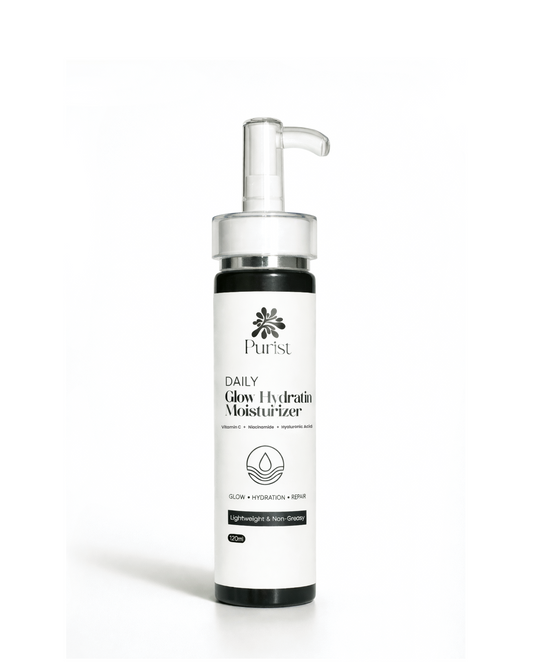
Purist Glow Hydrating MoisturizerPurist Barrier Moisturizer is a balanced daily cream designed to deliver lasting hydration while supporting the skin’s natural barrier. The formula combines lightweight humectants with skin-conditioning emollients to maintain moisture without heaviness. Infused with Hyaluronic Acid and Niacinamide, this moisturizer helps improve skin comfort...
- Rs.1,249.00
Rs.1,649.00- Rs.1,249.00
- Unit price
- per

Purist Face Moisturisers
Oily skin and moisturiser. People treat those two words like they don't belong in the same sentence, and if you've spent years dealing with shine by noon, you probably agree.
It's not an unreasonable fear. Most of us learned it the hard way: a heavy cream, a clogged pore, a breakout three days later, and a permanent decision to just skip the step entirely.
Here's the part that gets missed though. Skin that's dehydrated doesn't stop making oil, it makes more, trying to compensate for what it's not getting from the surface. A good moisturiser isn't the thing making your skin oilier. It's usually the thing standing between you and it.
What a Good Moisturiser Actually Does
A moisturiser has one real job: keep water in your skin long enough for everything else (your barrier, your other products, your skin in general) to function properly. That's it. Everything else is detail.
The detail matters though. Hyaluronic Acid pulls water into the skin and holds it there. Niacinamide strengthens the barrier that's supposed to keep that water in, and keep everything else (pollution, humidity swings, hard water) out. Weak barrier, and your skin loses moisture faster than it can replace it. That's the cycle a decent moisturiser is built to break.
Texture matters just as much as the actives, especially here. Pakistan's heat and humidity punish anything heavy: thick creams turn greasy by midday, and that greasiness is usually what pushes people to skip moisturiser altogether. The fix isn't no moisturiser. It's the right weight of one.
What Purist Moisturiser offer?
Right now, this collection has one formula: Purist Glow Hydrating Moisturizer, built around Hyaluronic Acid, Niacinamide, Aloe Vera, and Vitamin E. It's lightweight, fast-absorbing, and made for daily barrier support, hydration without heaviness, and a finish that holds up through the day instead of sitting on top of your makeup. More formulas are coming to round out this category (something heavier for very dry skin, something gel-based for very oily skin), but this is where we're starting, and it's built to work across most skin types as a daily, year-round moisturiser.
How to Use a Moisturiser
Apply after your serum, while skin's still a little damp. Morning and night, both. A pea-sized amount is enough for your whole face; more isn't the upgrade it feels like, it just sits on the surface instead of absorbing.
If you're using actives (Retinol, Vitamin C, an acid toner), this is the step that comes right after. Skipping it on active nights is usually where "my skin feels irritated" complaints actually start.
Frequently Asked Questions
Will a moisturiser make my oily skin worse?
"No, and this is worth repeating: the opposite usually happens. Oily skin that's properly hydrated tends to produce less excess oil over time, not more. A lightweight formula won't add the heaviness you're worried about."
I have dry skin. Will a hydrating moisturiser actually be enough for me?
"Usually, yes. Hyaluronic Acid does the heavy lifting for hydration, and dry skin tends to respond to it fast. If your skin still feels tight after a few weeks of consistent use, that's worth a closer look at your cleanser, not your moisturiser."
Do I need this if I already use a serum?
"Yes, every time. Serum treats. Moisturiser seals everything in and keeps it from evaporating back out. Skip it, and a lot of what your serum did gets undone within the hour."
Morning, night, or both?
"Both. Morning protects against what your skin's about to deal with all day: heat, pollution, AC, sun. Night supports repair while you sleep. Different jobs, same step."
Are Purist moisturisers actually suited to Pakistan's climate, or is that just marketing?
"Fair question. Humidity and heat change how a moisturiser behaves on skin. Heavier creams turn greasy fast, lighter ones can evaporate before they've done anything useful. The Purist Moisturizer, the one we currently have, is built lightweight on purpose, so it holds up through the heat without tipping into the greasy territory that makes people stop using moisturiser in the first place."
How long before I notice a difference?
"Hydration: within days. Barrier repair, the kind that actually reduces oiliness and sensitivity over time, takes longer. Give it three to four weeks of consistent, twice daily use before deciding whether it's working."