











10% vs 20% Vitamin C: Which Strength Should You Choose?

Two bottles of vitamin C serum sit before you. One says 10% while the other says 20%. The 20% will no doubt work twice as well as the 10%, right?
No. Instead, read the simple truth regarding the 10% vs 20% Vitamin C serum. Find out which is best for your skin.
10 vs 20 Vitamin C Serum: The Short Answer
-
New to vitamin C, or have sensitive skin? Start with 10%. It is the safer first step.
-
20% is the ceiling, not a goal. A 2001 study found skin absorbed the most vitamin C at 20%, and going higher did not help.
-
Higher does not mean better. A strong serum that stings, or that has gone off in the heat, does less for you than a fresh, gentle one.
-
Steady use matters more than strength. In the same study, skin levels built up over about three daily uses and fell by half within about four days of stopping.

Why 20% Is the Upper Limit
In 2001, researchers tested pure vitamin C (ascorbic acid) on pig skin. They found that absorption peaked at 20%, and that stronger formulas lowered the amount reaching the skin. They also found that skin levels stopped rising after about three daily uses, and that levels fell by half in about four days after the researchers stopped. Read the study: Topical L-Ascorbic Acid: Percutaneous Absorption Studies.
A 2020 review points the same way. It says vitamin C works better as the percentage rises, but only up to 20%. See The effect of Vitamin C on melanin pigmentation.
Two honest limits. The 2001 study used pig skin, not people, and some of its authors worked with skincare companies. Also, we found no study on people that compares 10% against 20% side by side. So nobody can promise that 20% gives you visibly better results.
The Strength Is Not the Whole Story
The percentage on the label tells you only part of the story. A 2026 review of 44 studies says vitamin C works because of its whole formula: the type of vitamin C, the base, the pH and how well it stays stable. It lists 10% to 15% pure vitamin C serums with a pH below 3.5 as the usual range. Read it here: Clinical Applications of Vitamin C in Dermatology.
The same 2001 study agrees on pH. Pure vitamin C only entered the skin when the product's pH was below 3.5.
Stability matters too. The Linus Pauling Institute notes that air, heat and light slowly break vitamin C down. See >Vitamin C and Skin Health. In a hot Pakistani summer, any vitamin C serum left in a bag, a car or a bathroom can lose its power fast. A fresh 10% serum beats a spoiled 20% one.
10% of What? Check the Label
A percentage only means the same thing for pure vitamin C (ascorbic acid). Many serums use a derivative, which is a changed form that is often gentler and more stable. A 10% derivative serum and a 10% pure vitamin C serum are different products.
In the 2001 study, three other forms of vitamin C did not raise the level of pure vitamin C in the skin. That does not mean derivatives fail. The 2020 review describes a study where a 10% magnesium ascorbyl phosphate cream lightened the skin of some people with pigment problems. A 2024 trial also found a gel with 5% of the same derivative, plus niacinamide and hyaluronic acid, well tolerated. See Barbosa et al.. So derivatives can work. You just cannot compare their percentages with pure vitamin C.
Before you buy any serum, check three things:
-
Which form of vitamin C it uses.
-
Whether the brand states the pH.
-
Whether the bottle is dark, with a pump or a dropper that limits air.
Side by Side
| Role |
10% |
20% |
|
Best for |
Beginners, sensitive or combination skin, daily use |
Experienced users whose skin has handled 10% for weeks |
|
Comfort |
Gentler for most people |
More likely to sting or redden, especially on sensitive skin |
|
What the research says |
Inside the 10% to 15% range for pure vitamin C listed in a 2026 review |
The absorption ceiling in the 2001 pig skin study |
|
Watch out for |
Nothing special, still patch test |
Irritation, and faster spoilage if stored badly |
Houston Methodist says most vitamin C products contain 10% to 20% vitamin C, and that people with sensitive skin may want a lower strength. They also advise dark or tinted packaging, and a pump over a dropper. Read Vitamin C Serums: Are They Worth the Hype?
Which Strength Should You Choose?
|
Your situation |
Your pick |
|
You have never used vitamin C |
10% |
|
Your skin is sensitive or reactive |
10% or lower, used slowly |
|
You have used 10% daily for months with no stinging |
Stay at 10%, or try 20% if you want. No study shows it gives better results |
|
A strong serum made your skin burn |
Go back to 10%. The American Academy of Dermatology says to stop any product that burns or stings |
See the AAD advice here: how to fade dark spots.
How to Start Without Irritation
-
Patch test. Put a little on your inner forearm and wait 48 hours.
-
Go slow. Use it every other morning for the first week or two, then daily.
-
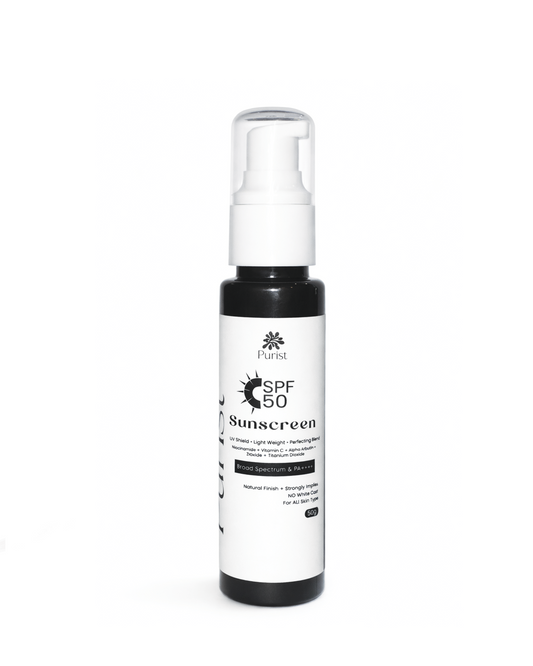
Moisturize, then use sunscreen. Vitamin C does not replace SPF.
Not sure when to apply it? Read Vitamin C Serum: Morning or Night?
Two Mistakes to Avoid
-
Thinking stronger always means better. Jumping straight to 20% is the most common mistake. Your skin may sting, and the 2001 study found no gain above 20%.
-
Judging by the percentage alone. I recommend checking the form of vitamin C, the pH and the packaging. If the serum turns orange, the serum has oxidized.
Expert tip: Add only one new active at a time. If your skin reacts, you will know why.
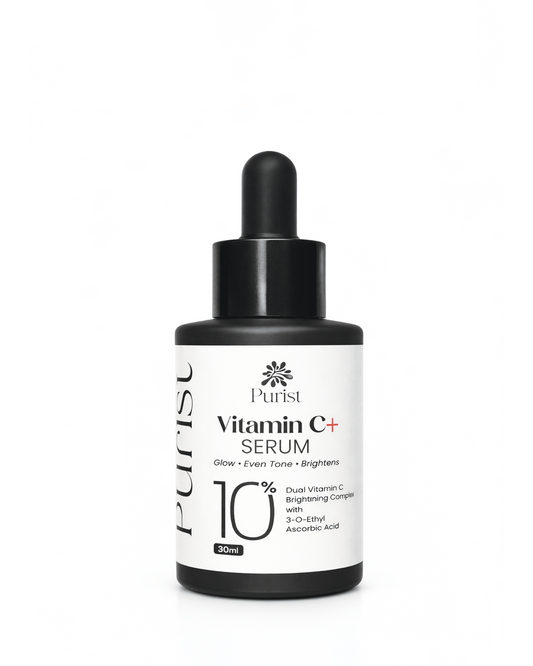
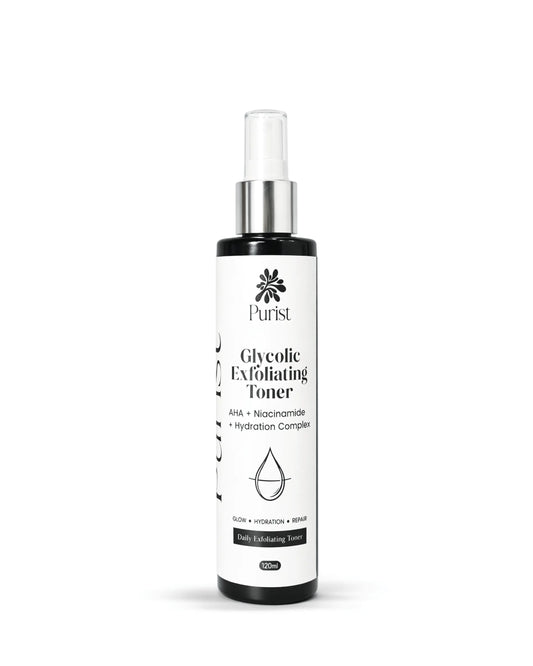
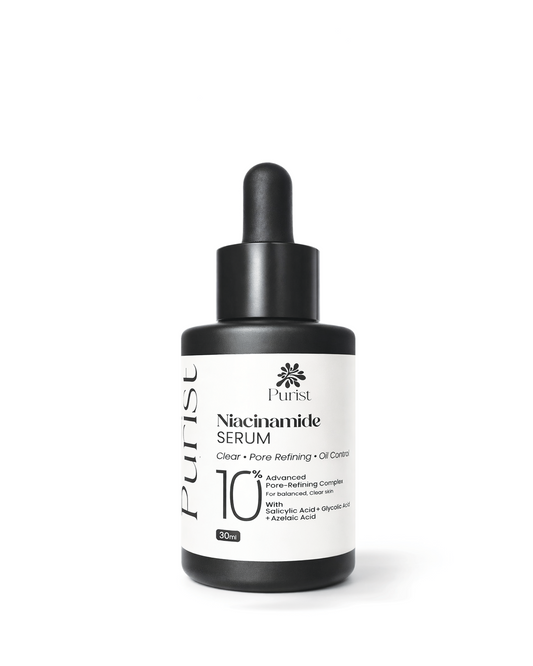
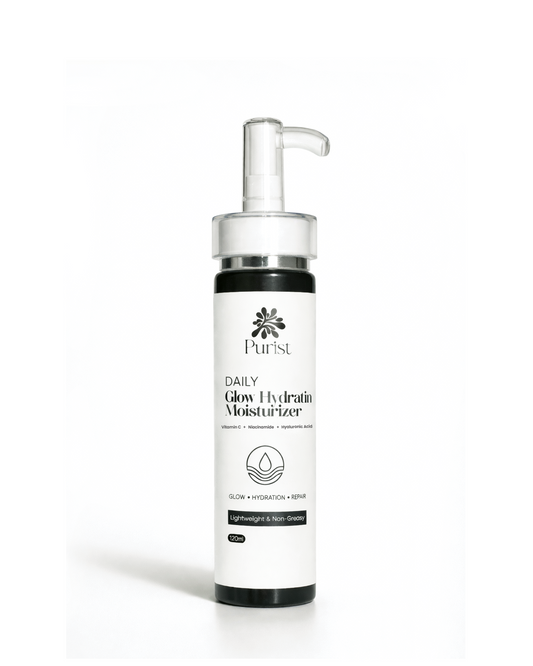
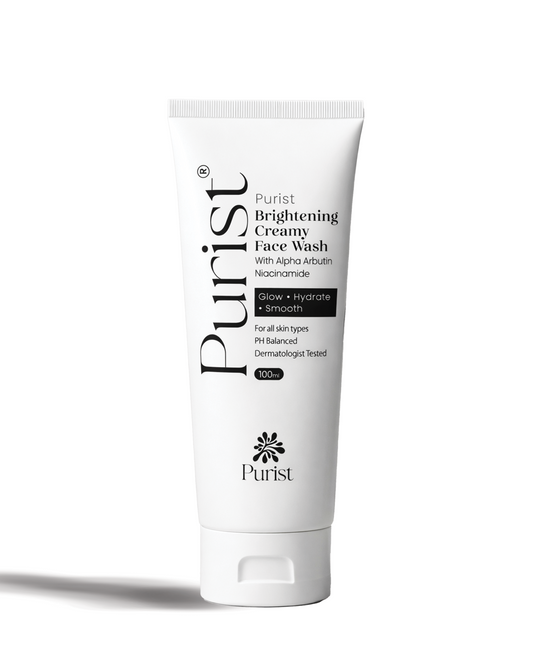
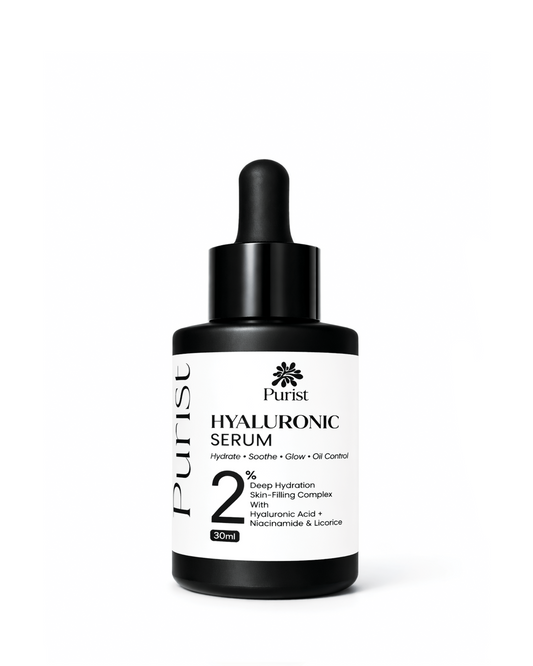
Which Purist Products Fit?
|
Your Goal |
Product |
|---|---|
|
Trying vitamin C for the first time |
|
|
Daily brightening serum |
|
|
Gentle daily support |
|
|
Cleanse with vitamin C |
|
|
Full routine, simple and ready |
|
|
Try before you commit |
Shop the routine
Want to know what to expect from a serum? Read Vitamin C for Dark Spots and Hyperpigmentation: What to Expect. For the full basics, see our complete Vitamin C guide.
Frequently Asked Questions
Is a higher percentage always better?
No. A 2001 study found skin absorbed the most vitamin C at 20%, and stronger formulas did not help. A well made, fresh 10% serum can work as well for you as a strong one that irritates.
Which strength suits sensitive skin?
Start with 10% or lower, and use it every other morning at first. Patch test before the first use.
What percentage of vitamin C is best for beginners?
10%. It is the gentler first step, and you can reassess after a few weeks of comfortable daily use.
Is 20% vitamin C better for dark spots?
Not proven. We found no study on people showing that 20% fades dark spots better than 10%. The AAD lists vitamin C among ingredients that can fade dark spots, and says treatment begins with sunscreen. For melasma or stubborn patches, see a dermatologist. Read more in Vitamin C for Dark Spots and Hyperpigmentation.
Can I use 20% vitamin C every day?
Many people can, once their skin handles 10% well. Move up slowly: try 20% every other morning first, then daily if your skin stays comfortable. Stop if it stings or turns red. This is general guidance, not a trial result.
How long until I see results?
The skin studies in the 2020 review ran for 6 to 12 weeks, so check for early change then. The AAD says a dark spot a few shades darker than your skin usually fades within 6 to 12 months.
Which Purist product should I use for this?
Start with the Vitamin C Starter Duo or the 10% Vitamin C+ Brightening Serum. If your skin is calm after several weeks, build the full routine with the Vitamin C Complete Routine.
Sources
-
Pinnell et al., Dermatologic Surgery, 2001: Topical L-Ascorbic Acid: Percutaneous Absorption Studies
-
Sanadi and Deshmukh, Journal of Oral and Maxillofacial Pathology, 2020: The effect of Vitamin C on melanin pigmentation
-
Boghosian et al., Journal of Clinical and Aesthetic Dermatology, 2026: Clinical Applications of Vitamin C in Dermatology
-
Houston Methodist: Vitamin C Serums: Are They Worth the Hype?
-
Barbosa et al., Clinical, Cosmetic and Investigational Dermatology, 2024: Nicotinamide 10% with magnesium ascorbyl phosphate 5% and hyaluronic acid 5% versus hydroquinone 4% in facial melasma
-
Linus Pauling Institute: Vitamin C and Skin Health
-
American Academy of Dermatology: How to fade dark spots
Note: This article is for general information. It does not replace advice from a dermatologist, especially if you have a diagnosed skin condition or use prescription skin care.